Today, we were going to the Bangkokian Museum, but first, we needed food. I did some Googling and found BBQ Delight, a Bengali (I think) restaurant a few blocks from the museum. We’ve decided that we’re going to eat at mostly holes-in-the-wall, with the occasional peppering of somewhere shmancy. BBQ Delight is definitely the former–meaning its decor is minimal, but its dishes are mouth-watering. Aaron got some chicken boti kebabs, while I went with the waiter’s (who may have been the owner) recommendation of beef boti curry. Both were devoured in their entirety, which is saying something, because neither of us have been able to get that into meat dishes as of late.
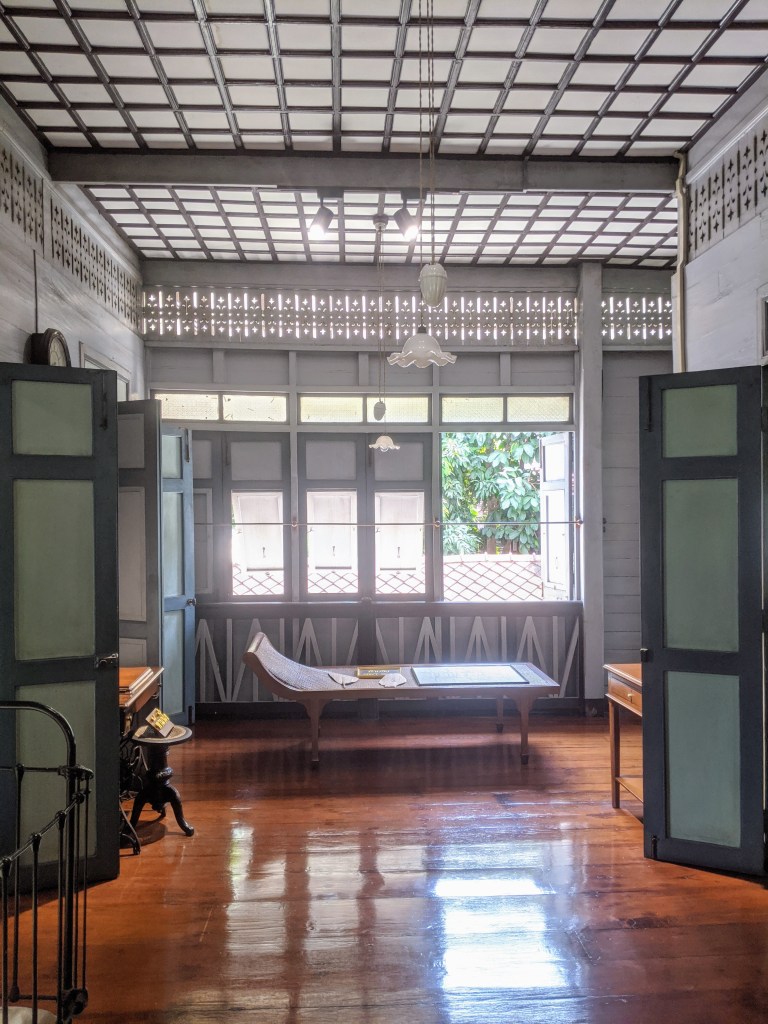
The Bangkokian Museum was a short walk away. Museum is an interesting designation for this place. It’s more like Colonial Williamsburg, if Colonial Williamsburg was only two houses and the time period it was frozen in was the early 20th-Century, and the place it was frozen in was Bangkok. While the furniture and trappings of the era were interesting, the houses themselves were the highlight for me. One of the houses even included an old doctor’s clinic (once upon a time, some doctors used their residences as their clinic). Canopy beds draped with crocheted mosquito-netting were placed in rooms with fine Benjarong ceramics. A wind-up phonograph sat in a hall across from a non-flush toilet. Signage was minimal and confusing, but we still learned a lot just from wandering around.
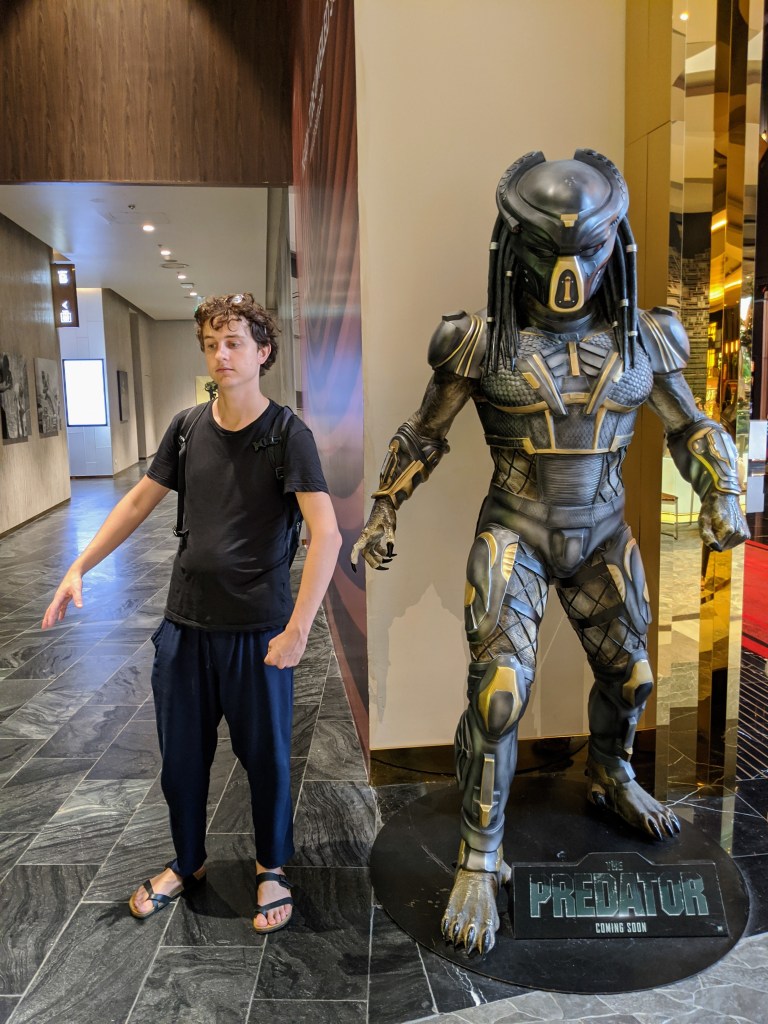
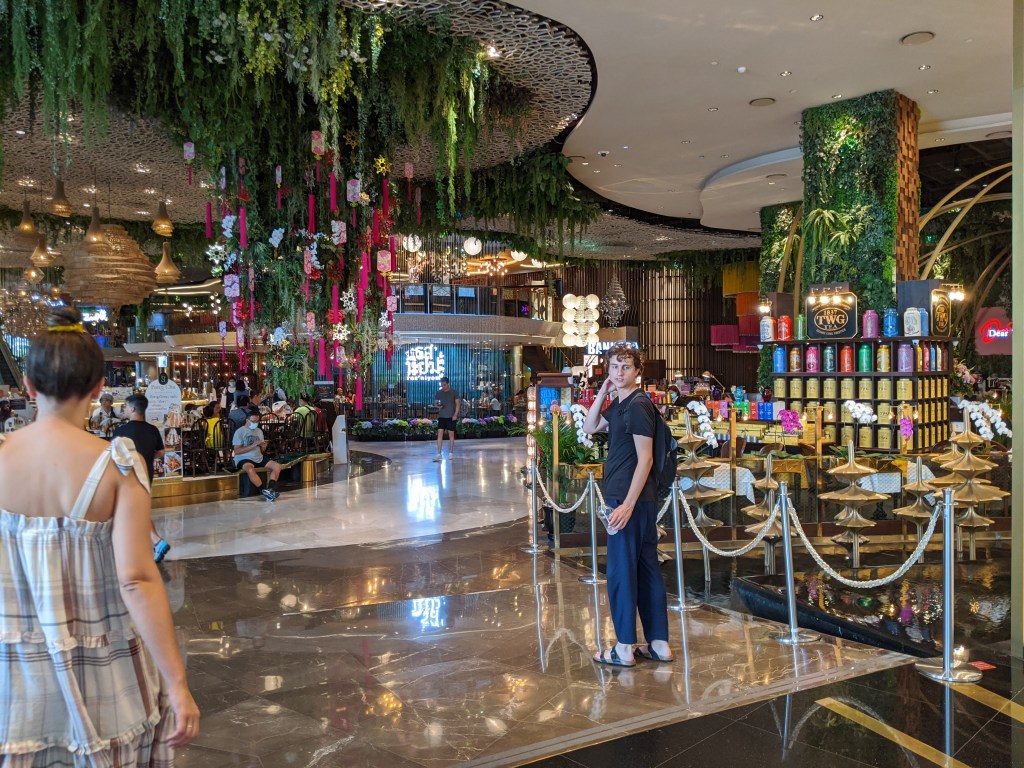
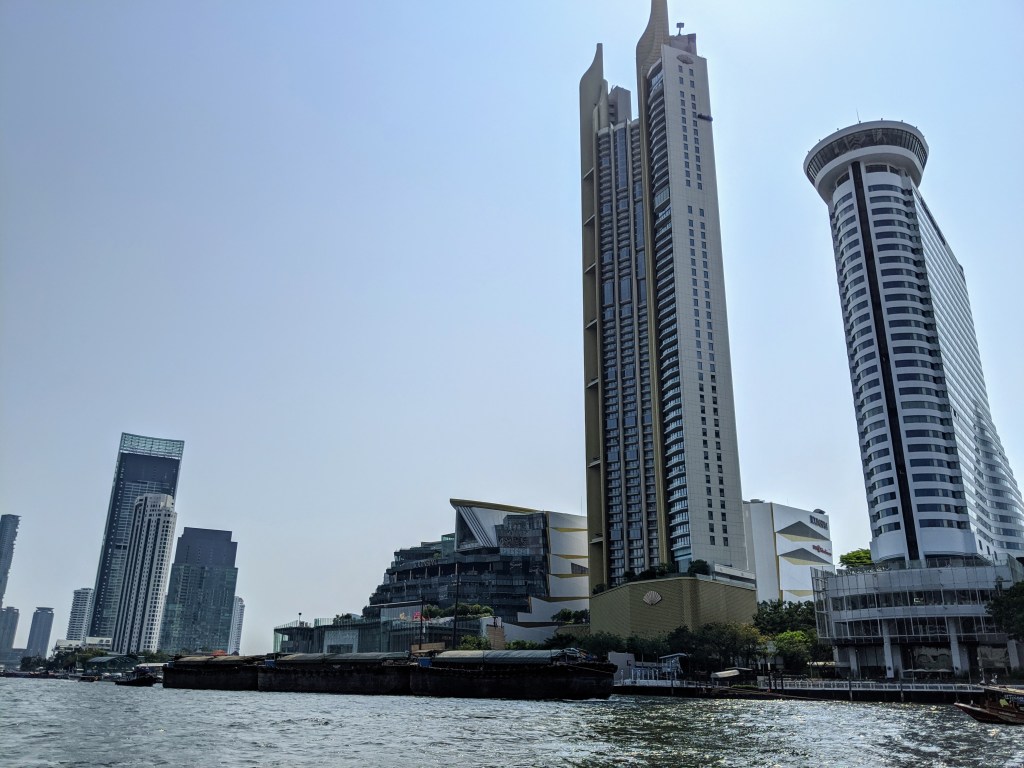
After, we took a ferry across the river to ICONSIAM (yes, its name is all-caps; ICONSIAM is extra). ICONSIAM is the sixth-largest mall in the world by gross leasable area, and we wanted to see it. You know, cause we hadn’t seen enough malls yet. This mall was sort of like a theme park, if the theme of the park was consumerism (which, come to think of it, actually is the theme of all theme parks, they just don’t advertise it as blatantly as ICONSIAM). We found the After You Dessert Cafe here and got a Thai tea kakigori, before riding the maze of escalators all around to gawk at the storefronts. It had everything from luxury designers to a Lego store, but it didn’t have a bookshop, so we left to find one.
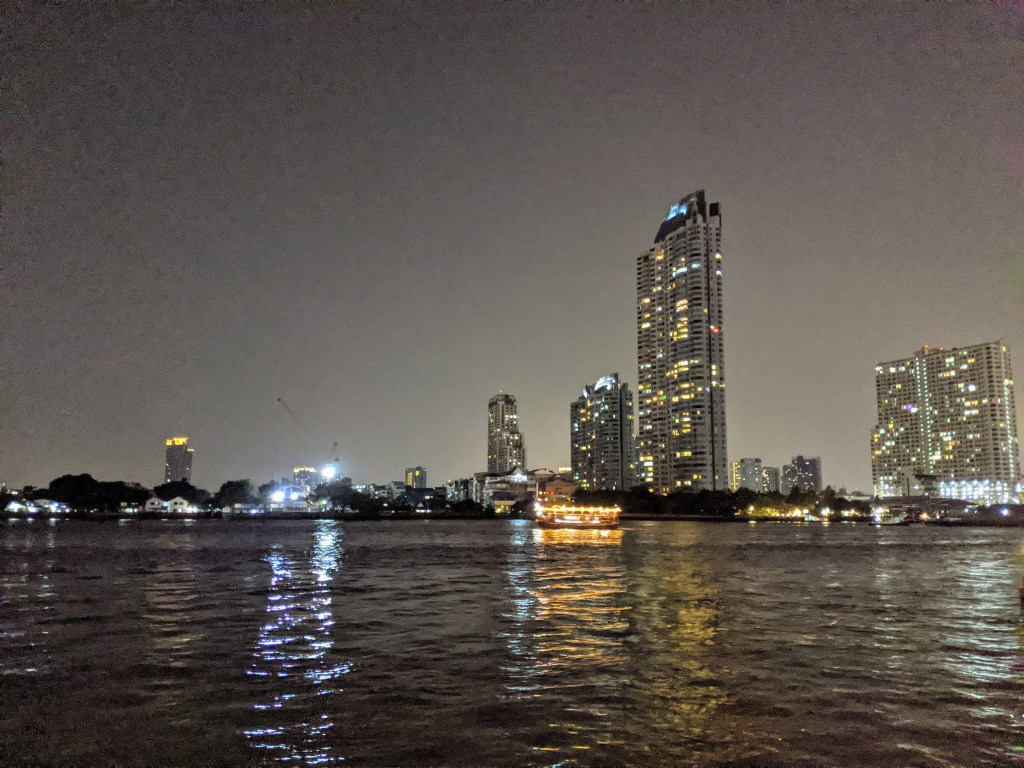
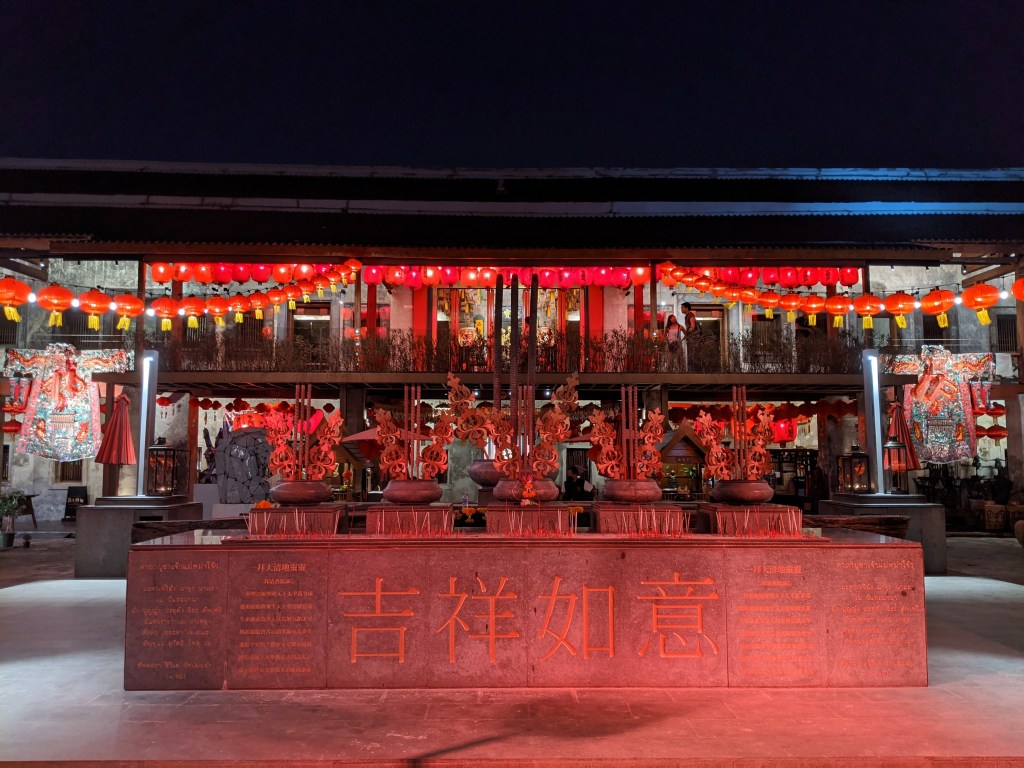
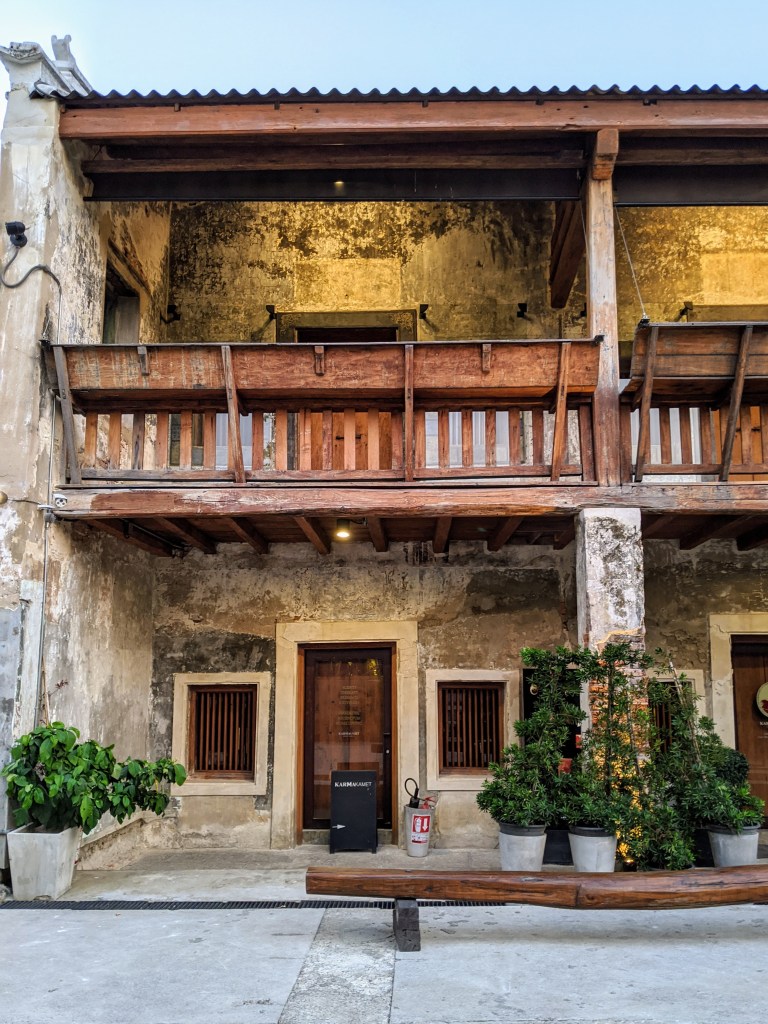
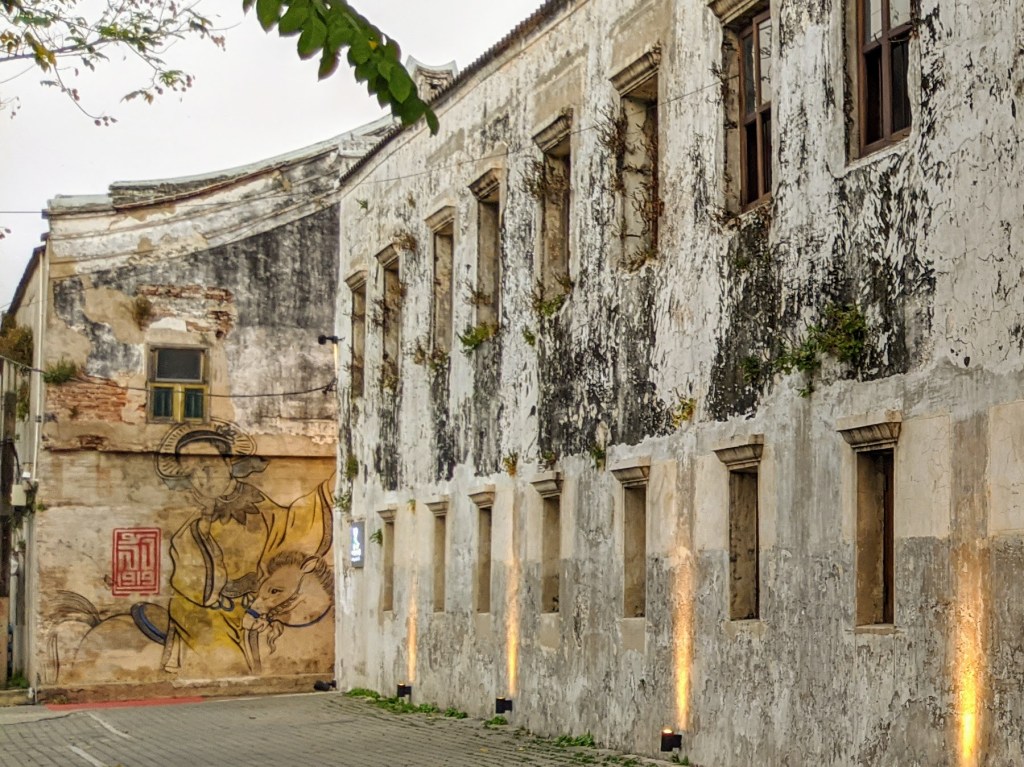
We whiled away the afternoon in Candide Bookstore. It turned out that it didn’t have an English-language section, but that didn’t stop us from buying coffees and loitering for hours in its cafe. When the sun went down, we found our way to Lhong 1919. It’s a historic, Chinese-designed mansion that’s been turned into a shopping center. Jesus. Even I’m getting tired of hearing me talk about all the malls we went to in Bangkok. Lhong 1919 was a bit different, though. Mostly, it contained art galleries and craft shops. Aaron and I ate burgers from a food truck and picked our favorites from among the various exhibitions, popping into gallery after gallery. We made one final stop at the Confucianesque shrine at the end of Lhong 1919’s courtyard before finally heading home for the evening.
The next morning was a busy one. It was our last day in Bangkok, and we had a lot of temples we still wanted to squeeze in. We’d been putting it off because Bangkok is so hot and temples aren’t air-conditioned, but this morning we woke up early so we could see them before the sun was high. Wat Pho was open the earliest, so Wat Pho is where we started.
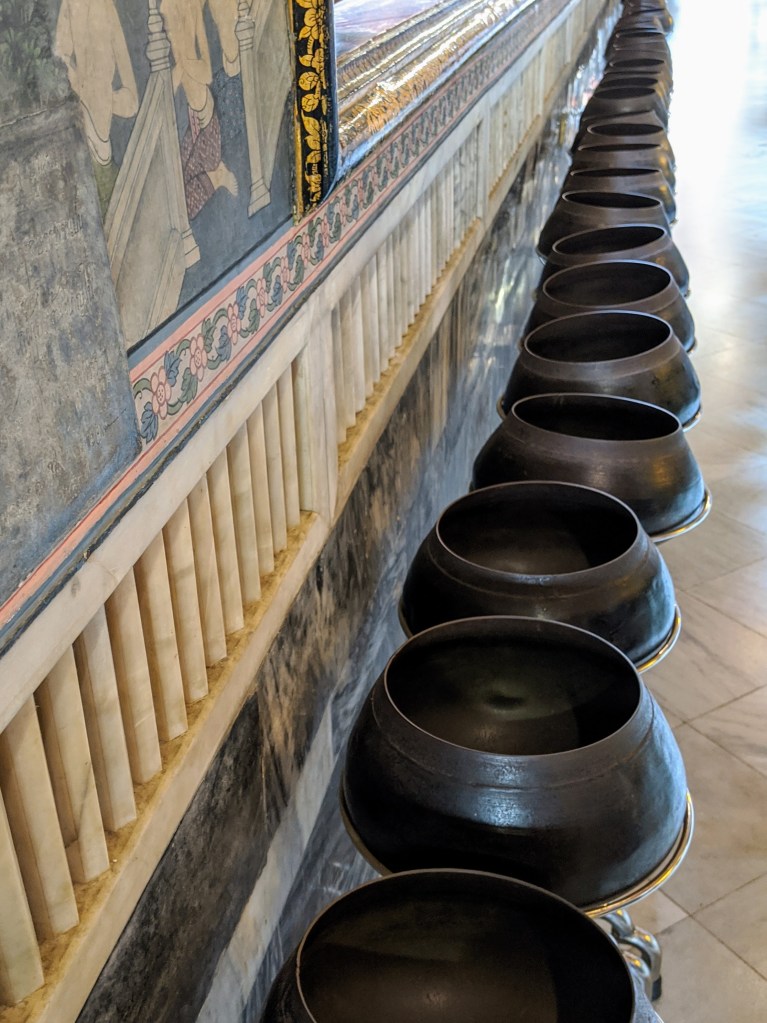
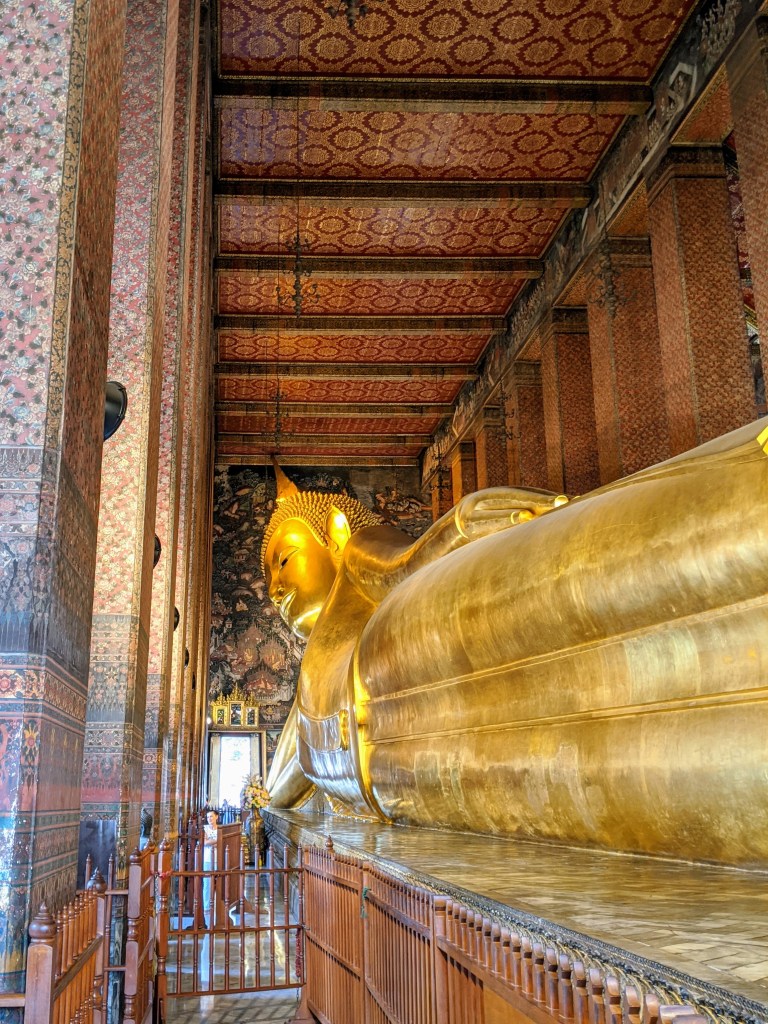
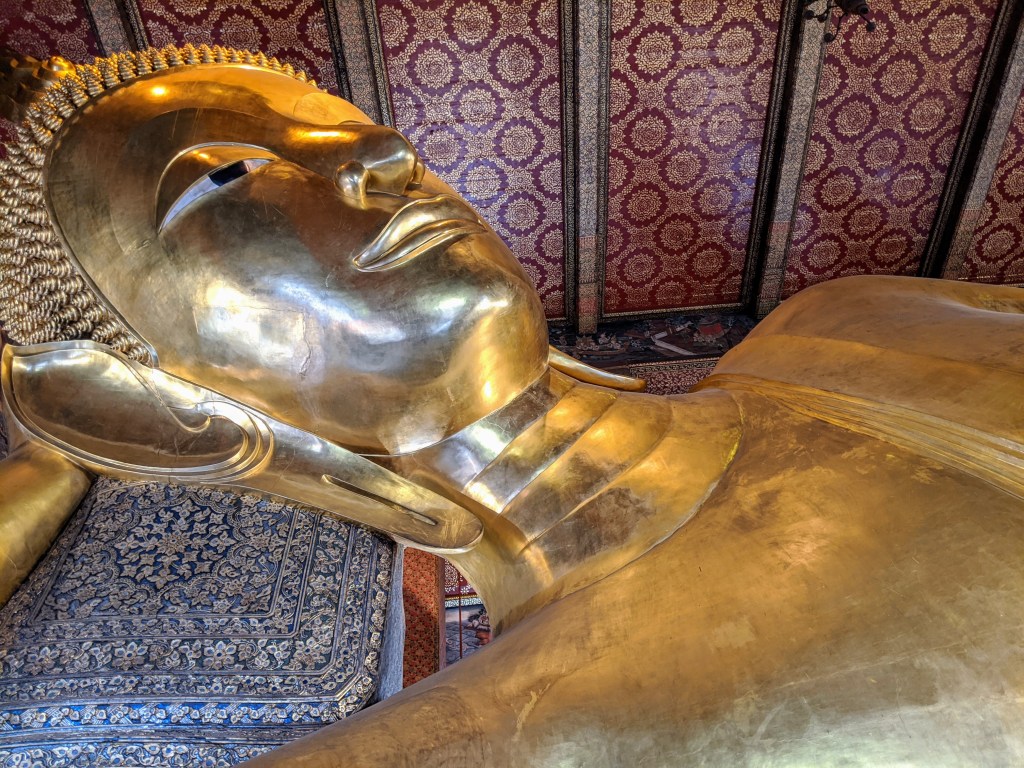
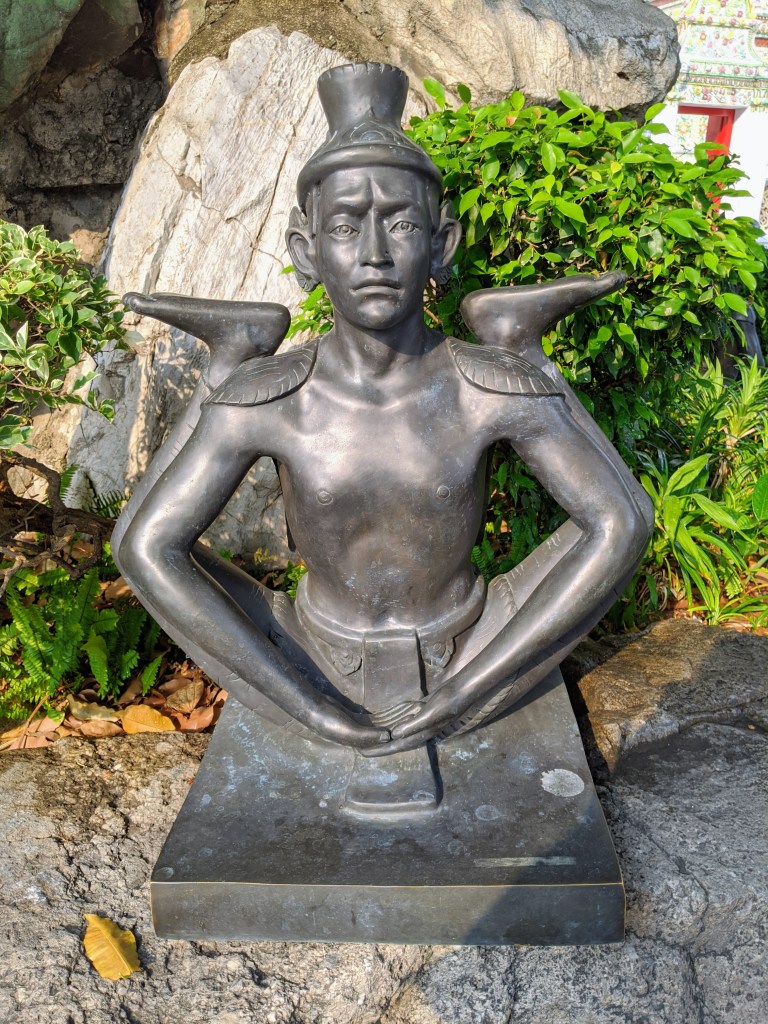
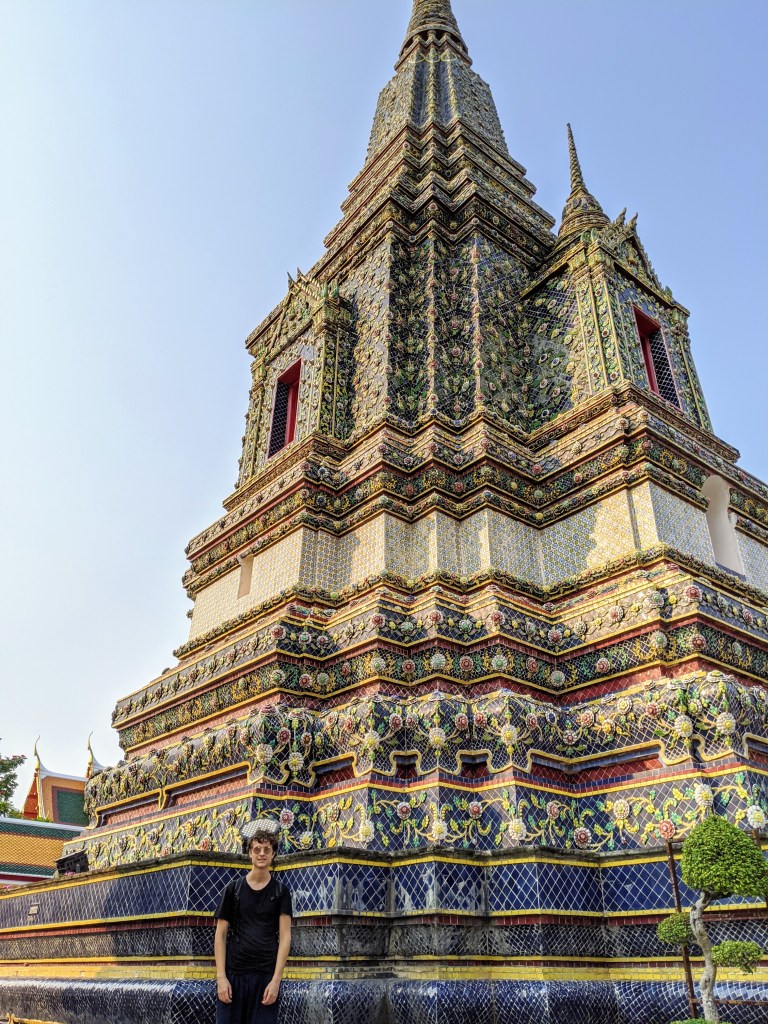
Wat Pho is known for two things: having the largest collection of Buddha images in all of Thailand, and one of those images being a 46-meter-long, reclining Buddha statue. The first claim to fame was already enough to pique Aaron’s and my interest. We have been to a lot of places with very large collections of Buddha images; Wat Pho has over a thousand. It’s also one of the oldest and largest temples in Bangkok. After a while, the seated Buddha statues all started to blend together. We couldn’t tell which Buddha-lined courtyards we had already visited. But Wat Pho also had some magnificent, mosaic chedis and a number of smaller temples we could pop out heads into. We saved the reclining Buddha for a finale. It was, indeed, a very large, reclining Buddha. Metal bowls ran the length of its back, and tradition dictated that we needed to place a small coin in each one. The temple makes it easy, though, allowing you to trade a small amount of paper baht for the correct amount of coins. I found myself wishing that the Buddha were housed in a larger structure, so that it could be viewed from further away; as it was, I could only really take in one small section of him at a time.
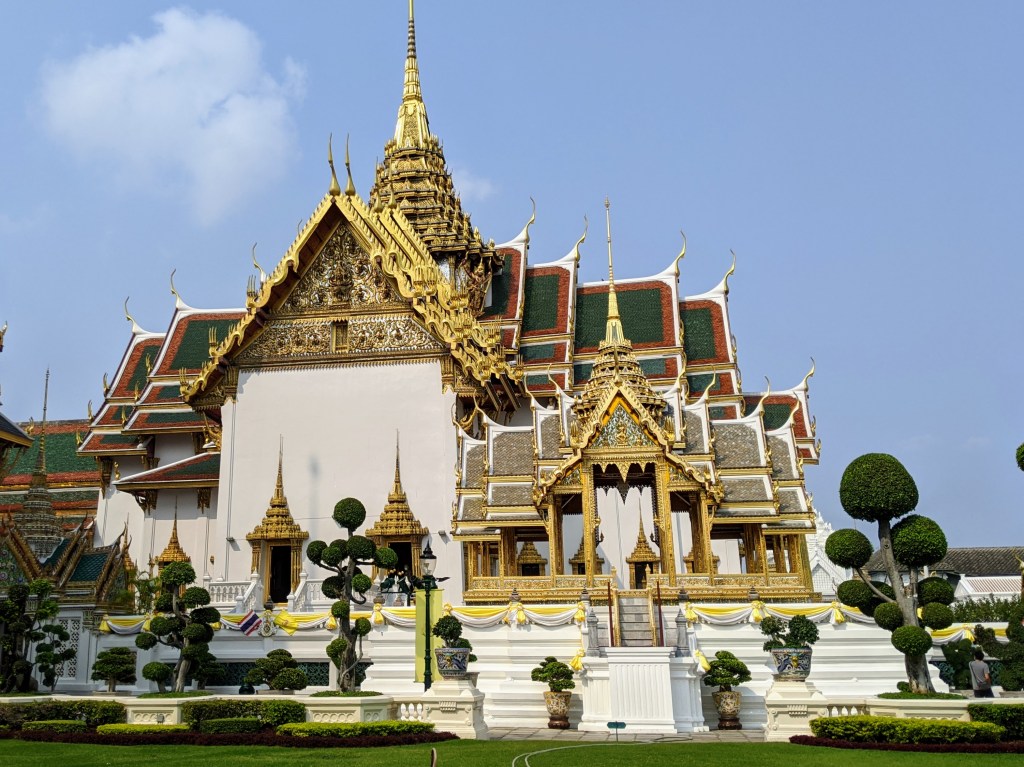
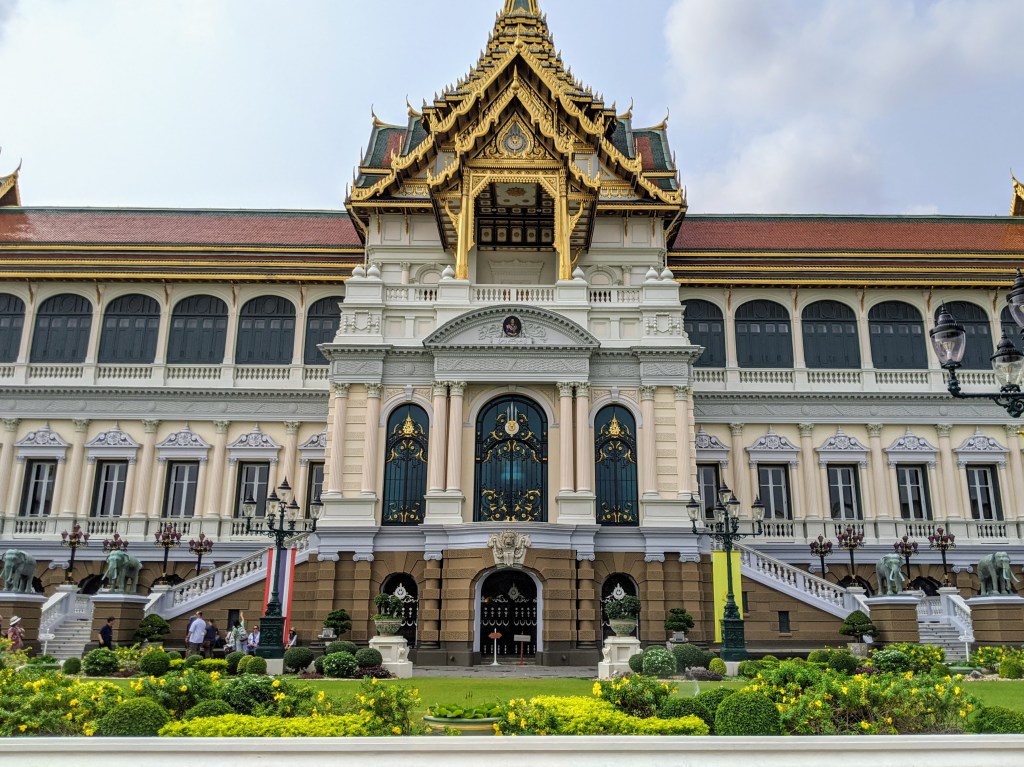
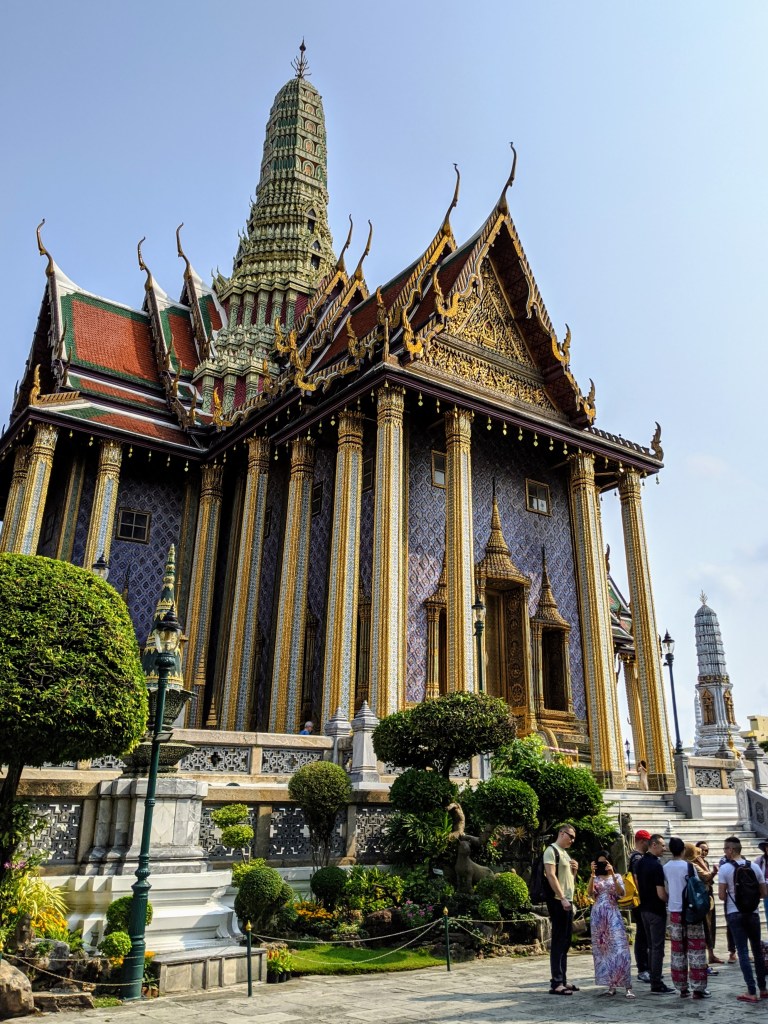
Next up was the Grand Palace and its temple, Wat Phra Kaew. The Grand Palace was the seat of the King and his royal government from 1782 to 1925. It is a complex of buildings, none of which are enterable (a fact that was elided when we bought our tickets), aside from the temple. We started our visit there. Wat Phra Kaew is perhaps most famous for housing the emerald Buddha. The emerald Buddha is perhaps most famous for being housed in the royal temple. The whole thing is sort of famous for being famous. I can say from first-hand experience that the emerald Buddha has not earned his fame by being large, beautiful, or in any other way impressive. He’s not even actually emerald–he’s jade. On the walls surrounding the temple, however, is a gorgeous mural depicting the plot of the Ramayana. The Ramayana is a integral Hindu religious text that tells the story of Rama, the prince of Kosala, and his wife Sita. The incomparable beauty Sita is abducted by Ravana, a rival king. Rama then enlists the help of Hannuman, the monkey king, and his army of monkey soldiers, in order to free Sita. With Sita by his side, he takes his rightful place on the throne. Aaron and I had a lot of fun trying to identify the main characters and plot points in the mural. After, we walked the palace grounds and paid way too much for lattes just so we could sit in the sweet, sweet air-conditioning of a cafe in the complex. We walked past a few of the palace buildings, whose architecture was an interesting East-meets-West blend, then headed out.
By this point, I was so hot that I didn’t want to take the short ferry to our next temple. We got a cab, and even the driver mentioned that we were being silly and should have just taken the ferry. You know you’ve done something wrong when even the person making money off you thinks you’re making a mistake. He got us to our last stop in our temple farewell tour, nonetheless.
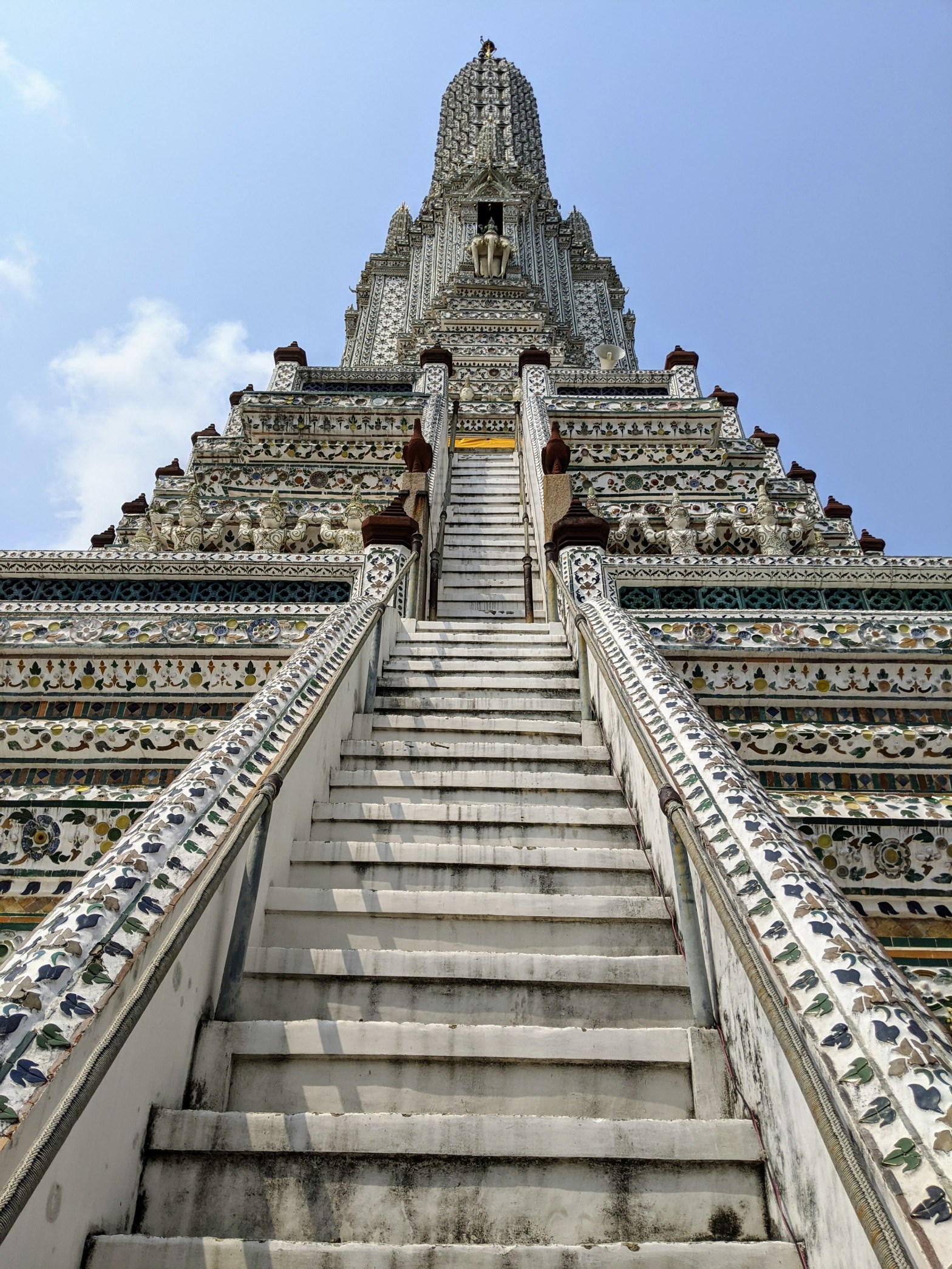
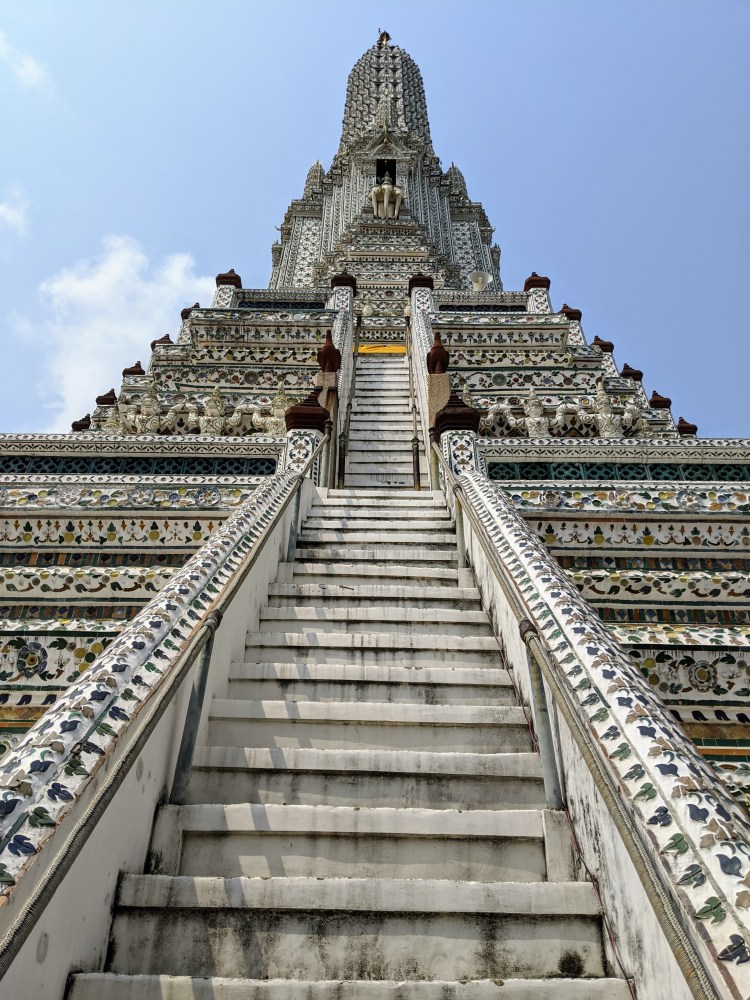
Wat Arun is smaller than most of the other temples in Bangkok, but the giant white prang (a Khmer-style spire) and its smaller siblings are iconic symbols of the city. A distinctive feature of this temple is that you may actually climb some steep stairs to walk around on its spire. It was encrusted with thousands of glass mosaic tiles, making the already blindingly-white structure even more fulgurant. Alas, we didn’t stay long–we were already too hot. After making one full circle around the prang’s second level, we left to find lunch.
All Meals Sawasdee was another hole-in-the-wall, and in this case, even the wall was a hole-in-the-wall. We walked through some pretty depressing markets to get there–the ones in the parts of the city that tourists don’t go to (not because they’re dangerous, but because they’re extremely impoverished). The meal was a bit meh really, but we were too tired and hot from the morning’s events to complain. We returned to our room to collapse immediately after.
Our last night in Bangkok was spent at the complete and utter sucker-trap known as Asiatique. It’s a shopping complex (I know) that seems to specialize mostly in overpriced, mediocre restaurants. We wandered into one that tried to charge us three dollars for a lime for my soda water, then we left in protest. We found another, whose name I can’t even remember, that only charged me one dollar for a soda-water lime. A perfectly average pizza later, we went home. What a shame that our last night in this wonderful city left such a bad taste in my mouth.
 Hanoimoon